
STECAM · STANDARD BENCH
Automatic bench
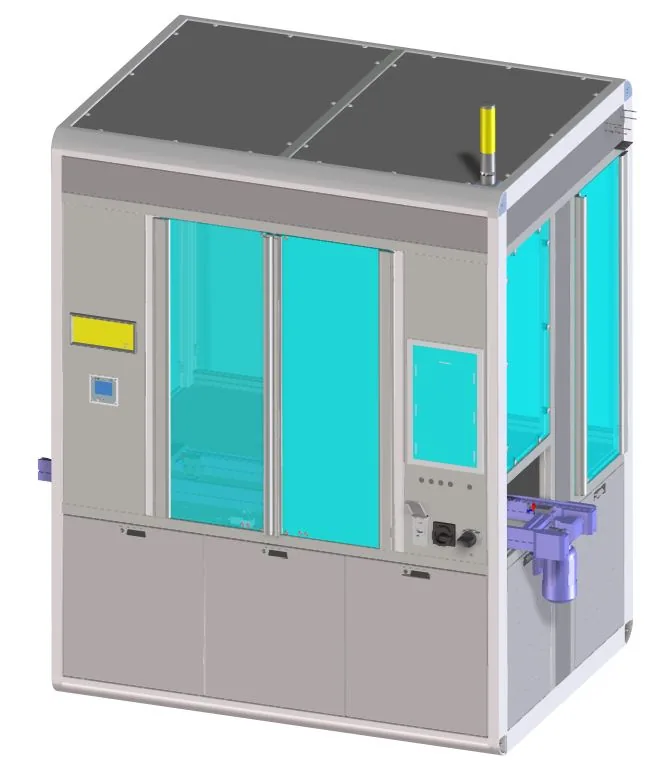
Rotate the assembly, zoom in and observe the details of the bench.
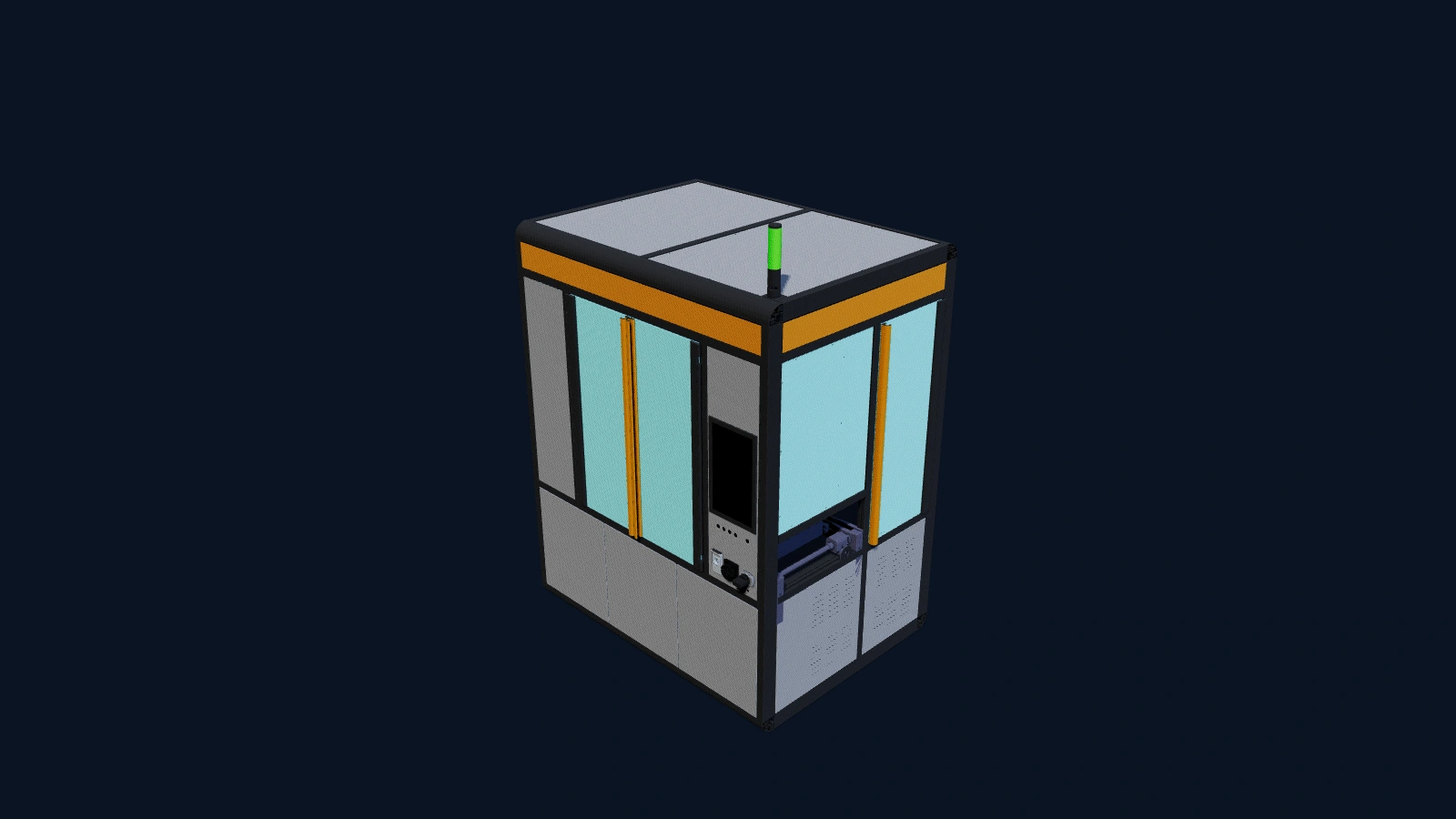
Standard Bench
The STECAM Standard Bench is a repeatable architecture for designing automatic, manual and hybrid lines: independent modules, common interfaces and coordinated supervision.
Standard benches, transfer links and guards combine in two configurations of the same system.
TWO CONFIGURATIONS. REAL MODELS.
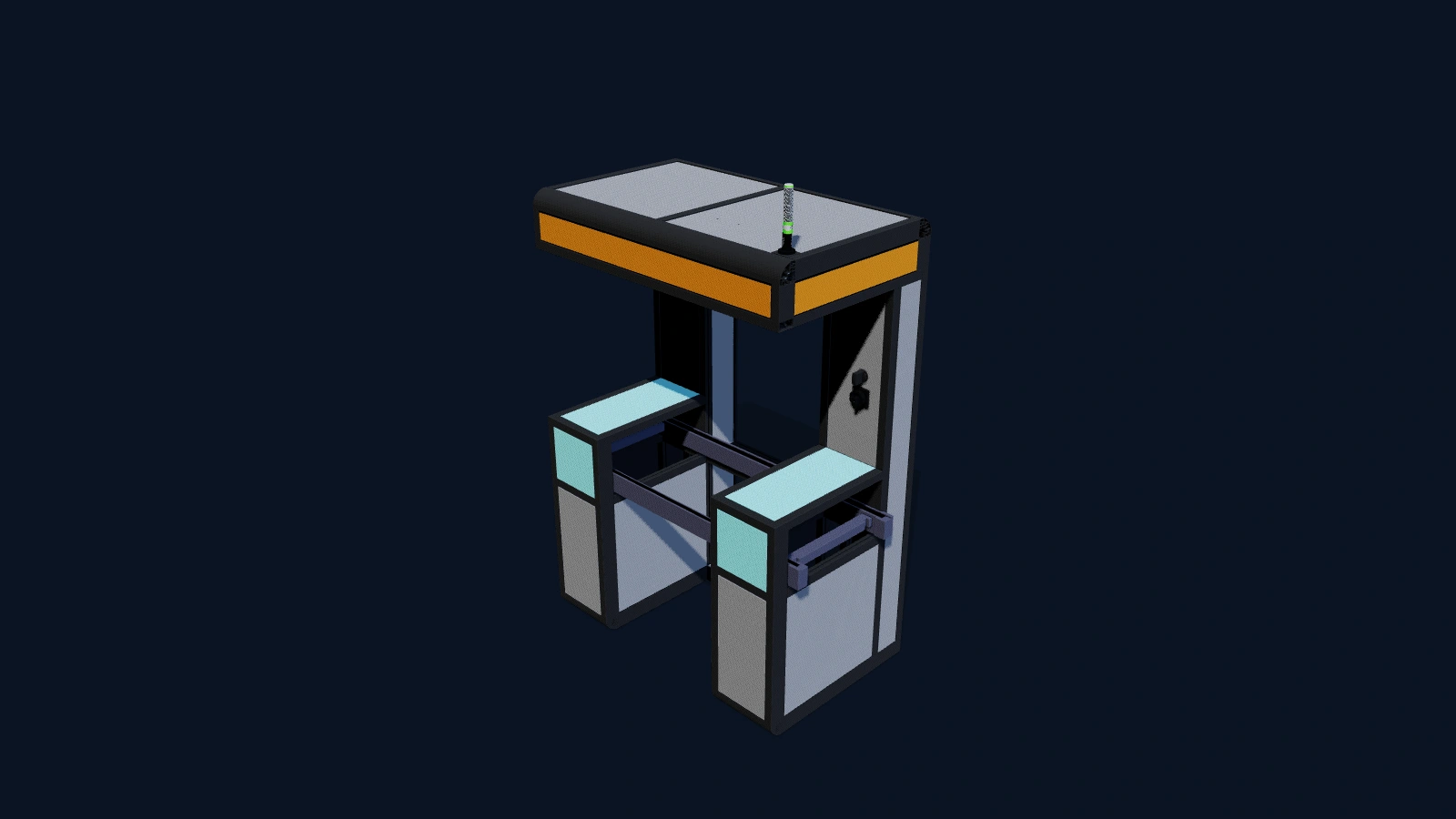
Directly explore the STECAM models of the automatic bench and manual bench. Two independent viewers, always on this page.
Rotate the assembly, zoom in and observe the details of the bench.
Rotate the assembly, zoom in and observe the details of the bench.
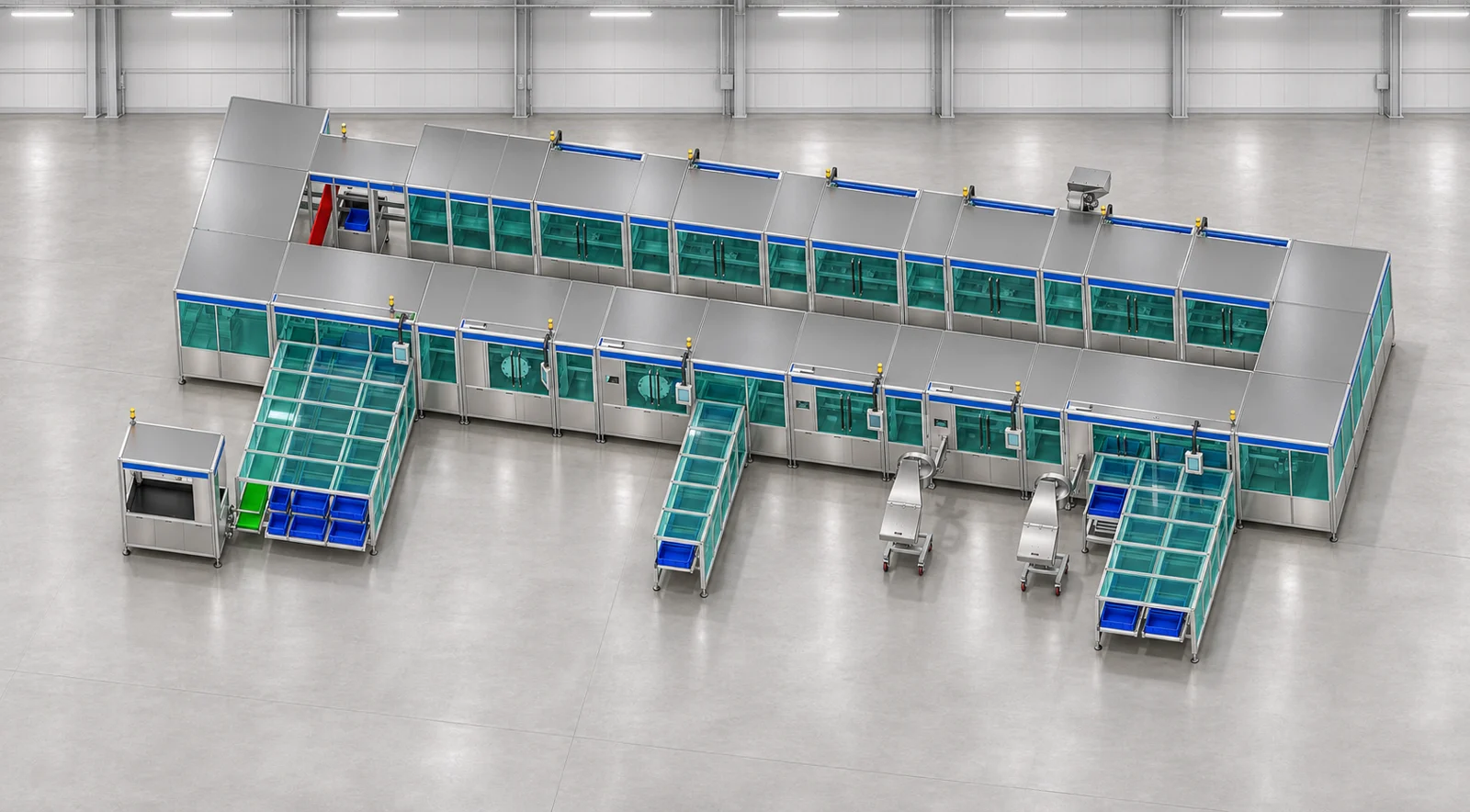
 MODULAR LINE · IMAGE PROVIDED BY STECAM
Each station retains its own identity, while transport, data and security work within a shared standard.
Let's talk about your applicationWhy it was born
The same architecture accommodates automatic, manual, semi-automatic and robotic stations. The goal is to simplify construction, maintenance, product variants and future reconfigurations.
Common geometries, fixings and interfaces reduce the construction variability of a line.
Each process is a physical and functional slot, which can host different processes.
Dedicated areas for pneumatics, controllers, panels and service accesses.
RFID, HMI and supervision NEXUS maintain recipes, results and station history.
A coordinated system
Each module integrates its own process control. The documented architecture includes PLC Siemens S7-1500, local HMI, RFID and connection to NEXUS for supervision, diagnostics and traceability.
The configurations
From the single bench to the tunnel connecting multiple stations, the structure adapts to the needs of the process.
 01
Independent unit for dispensing, screwdriving, pressing, testing or manipulation. Protections, panel and process devices are integrated into the common architecture.
 02
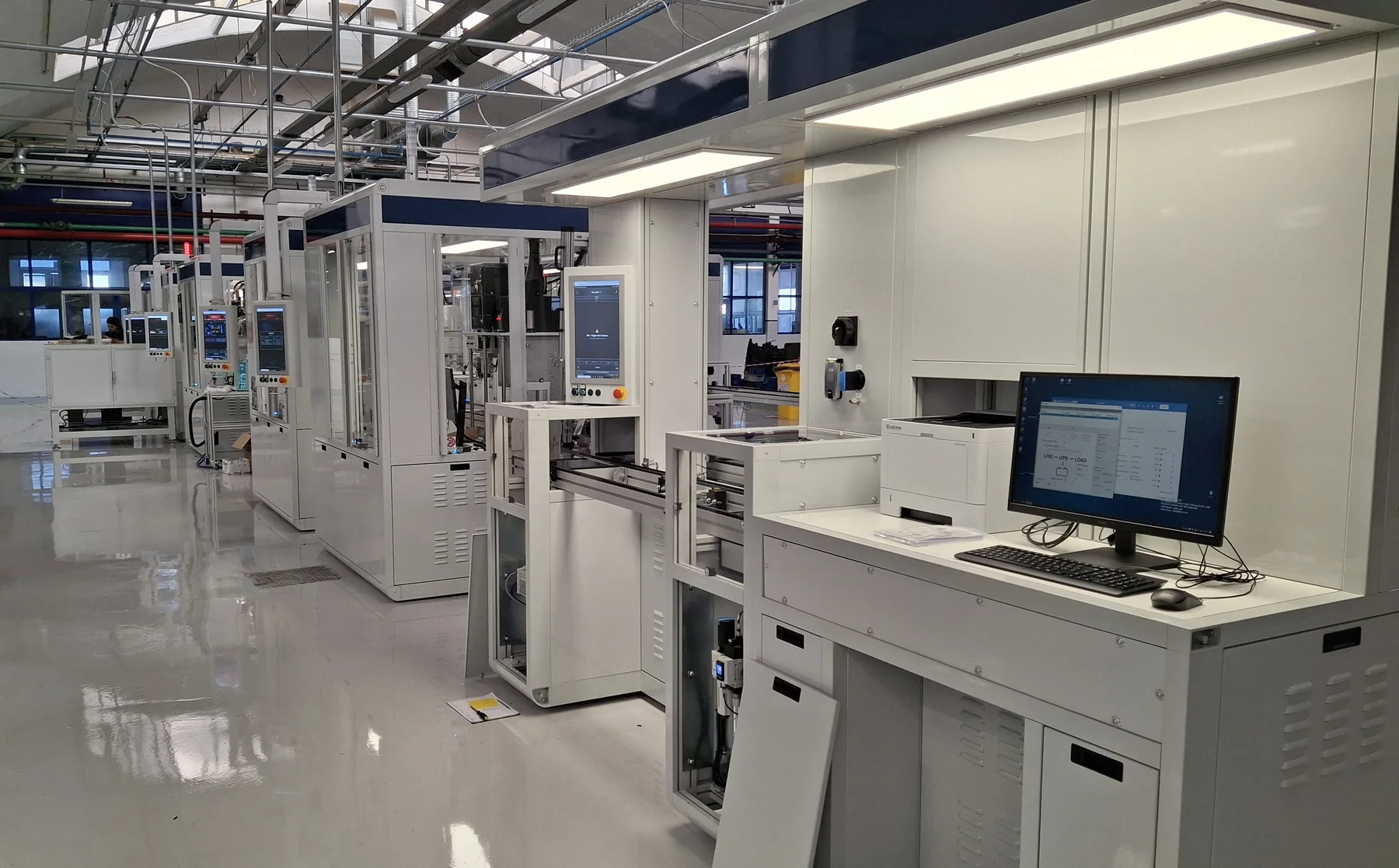
Manual and semi-automatic stations with guided procedure on HMI, RFID identification and recording of processing results.
 03
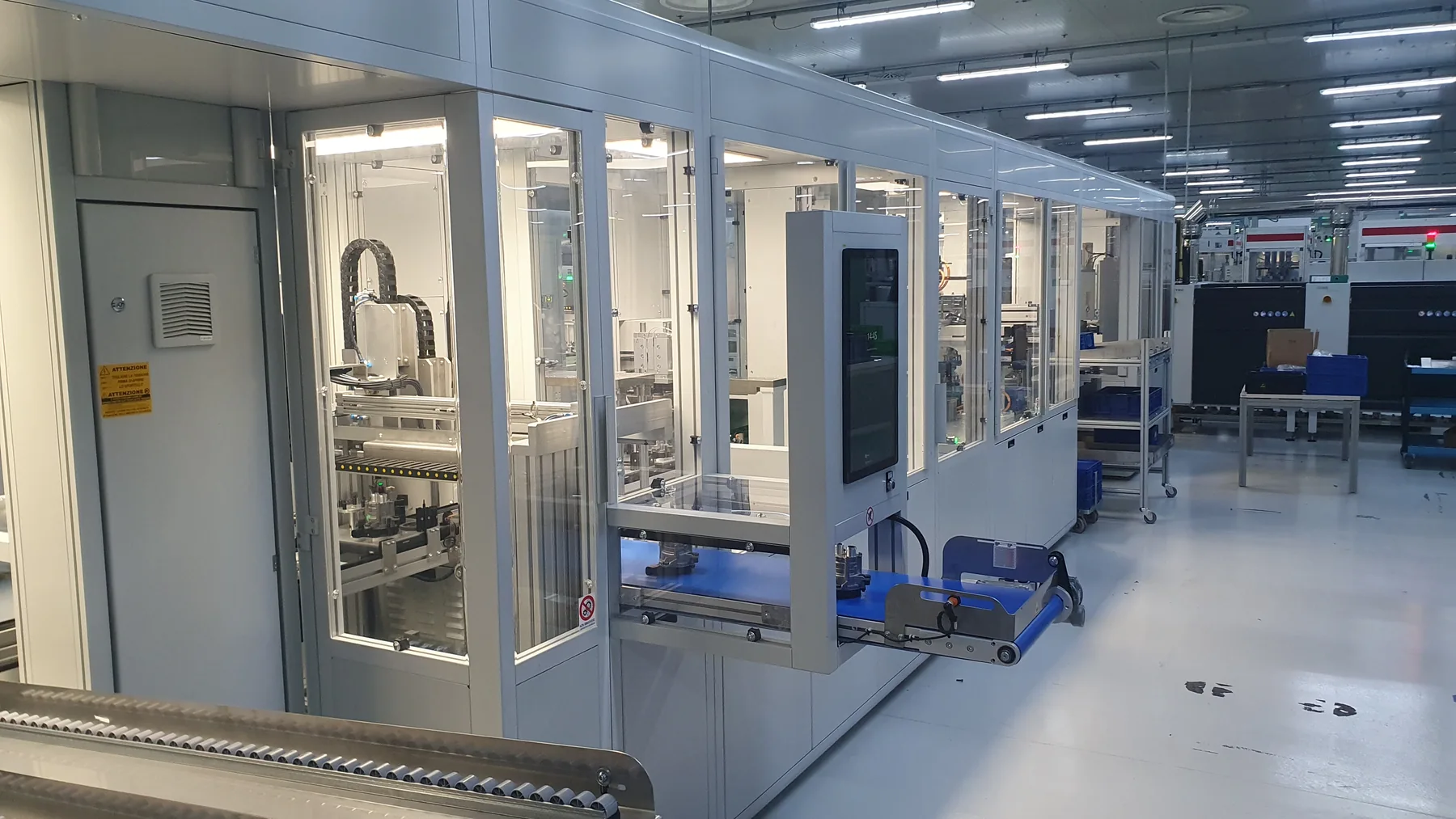
Single or double modules can be connected by a tunnel that keeps the casing, user distribution and maintenance access tidy.
Production continuity
In a configuration foreseen by the project, an automatic station can be replaced with an equivalent manual station. The operator is guided by the HMI and the activity continues to be tracked by the NEXUS, albeit with a reduced production capacity.
The ability to switch to manual mode depends on the process and safety conditions defined in the design phase.
Projects
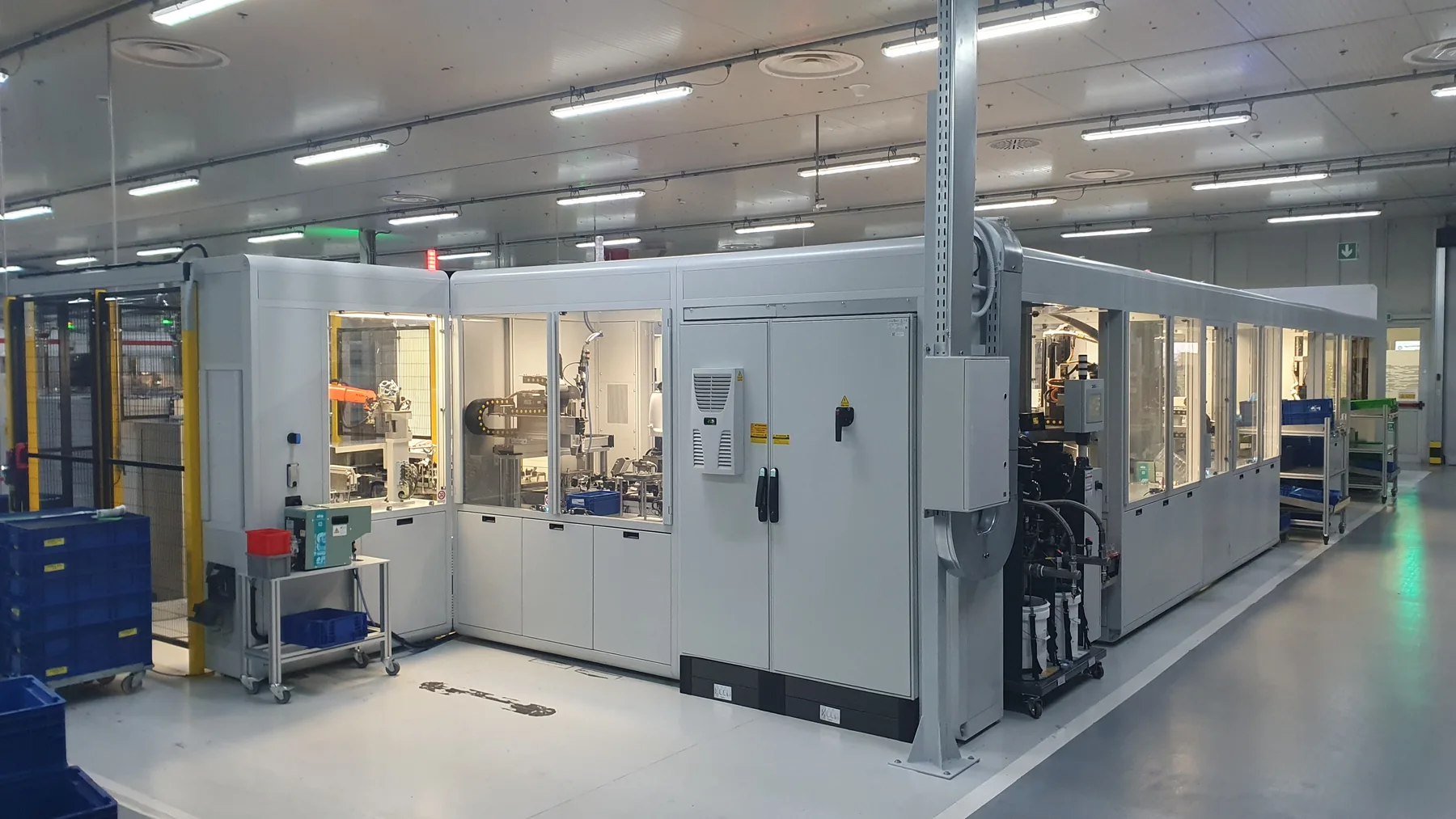
The elements are designed to facilitate accessibility, distribution of utilities and integration of different functions, from assembly to testing.
Technical analysis
The dimensions shown are the proposal indicated by STECAM. It is possible to vary the dimensions at the discretion of the end customer based on needs.
Modular architecture, variants and functional schemes. Preliminary material to be validated before definitive publication.
The modular concept
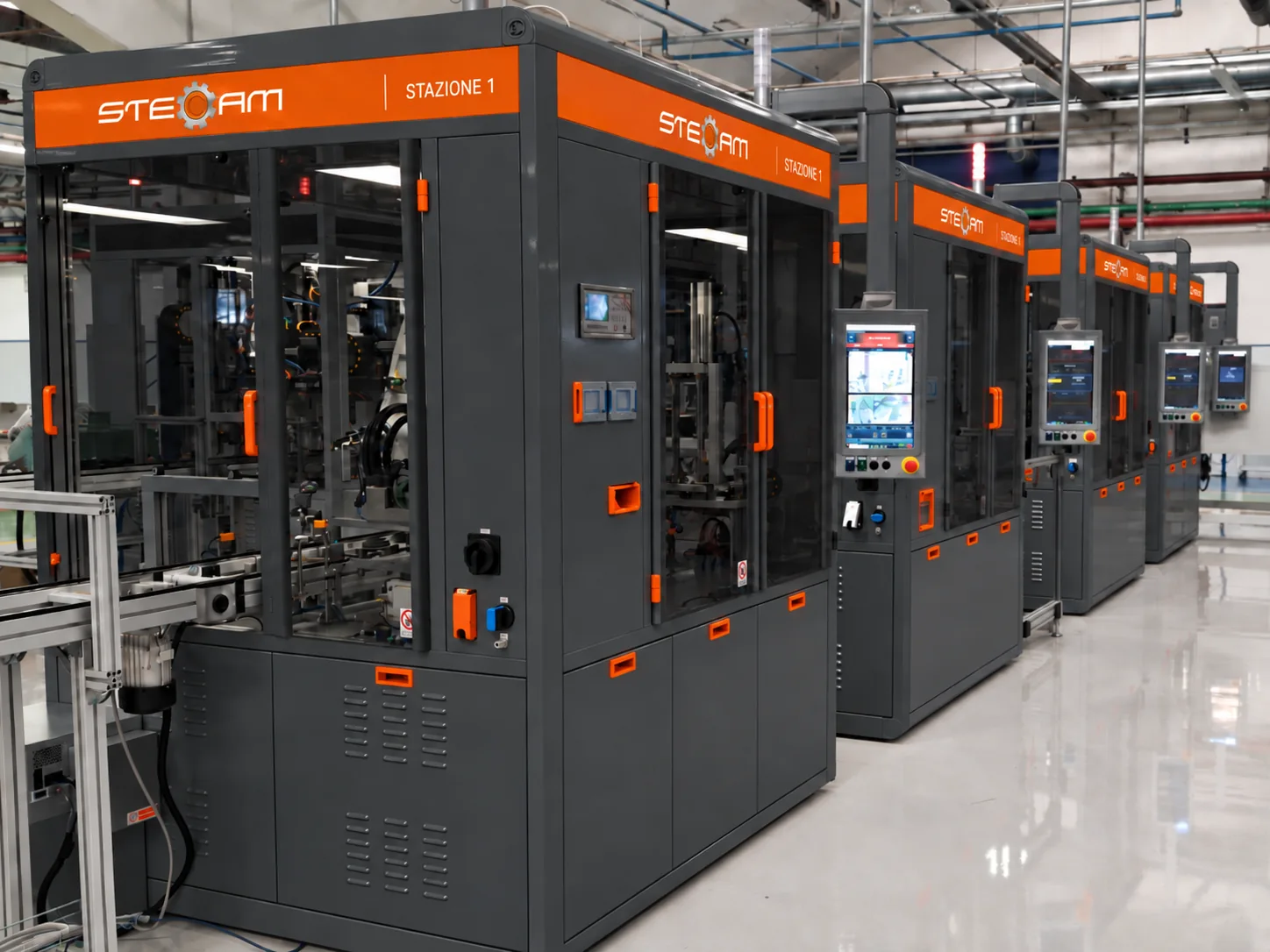
A shot of the physical module in the workshop: carpentry, technical areas and accesses, at the basis of the reusable STECAM architecture.
Technical film STECAM, reproduced only upon request.
The next project
A new system, a line to be renewed or data to be put to value. Tell us your need.
Let's talk about the project